



























Cobham Nature Reserve
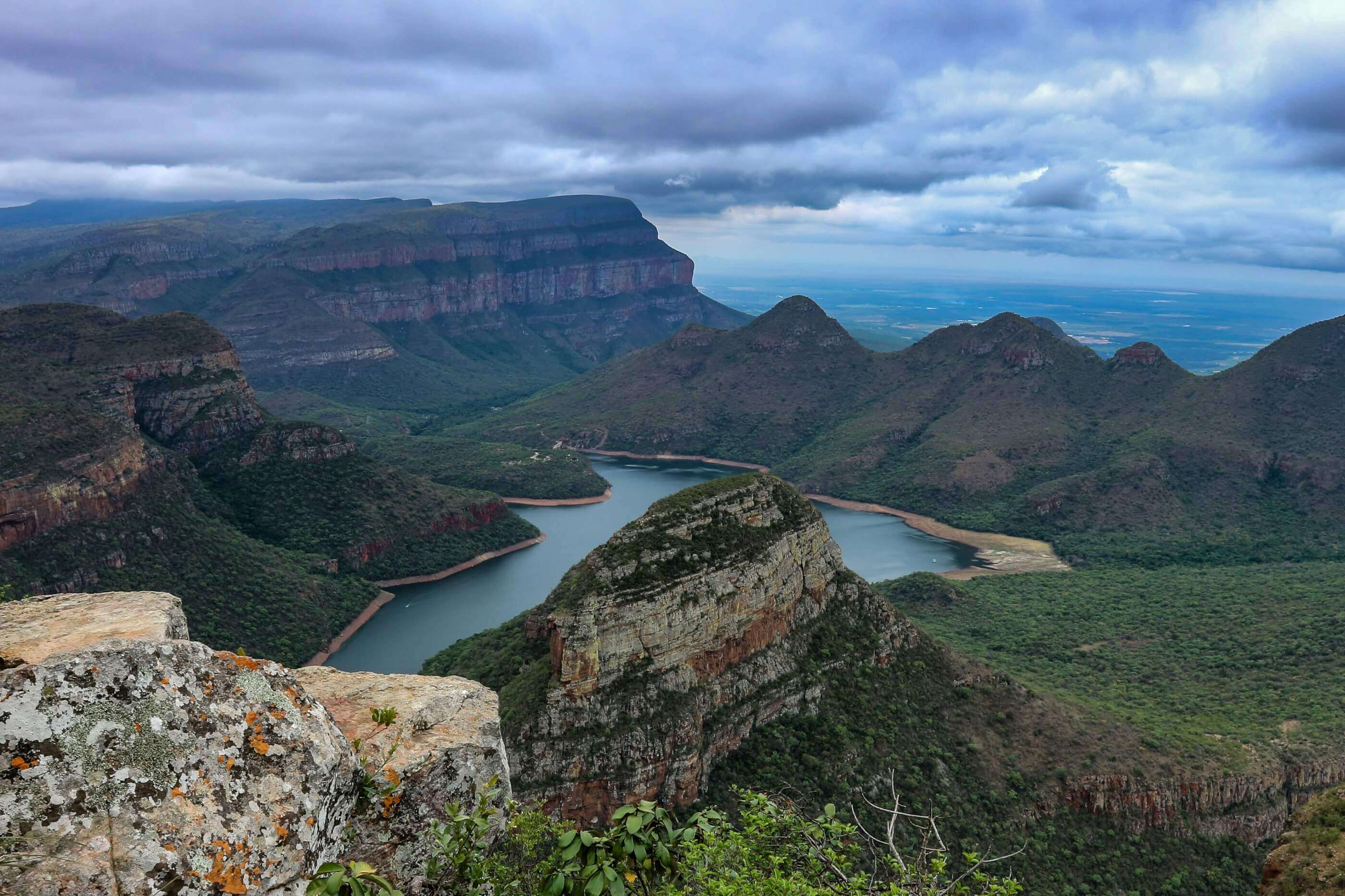
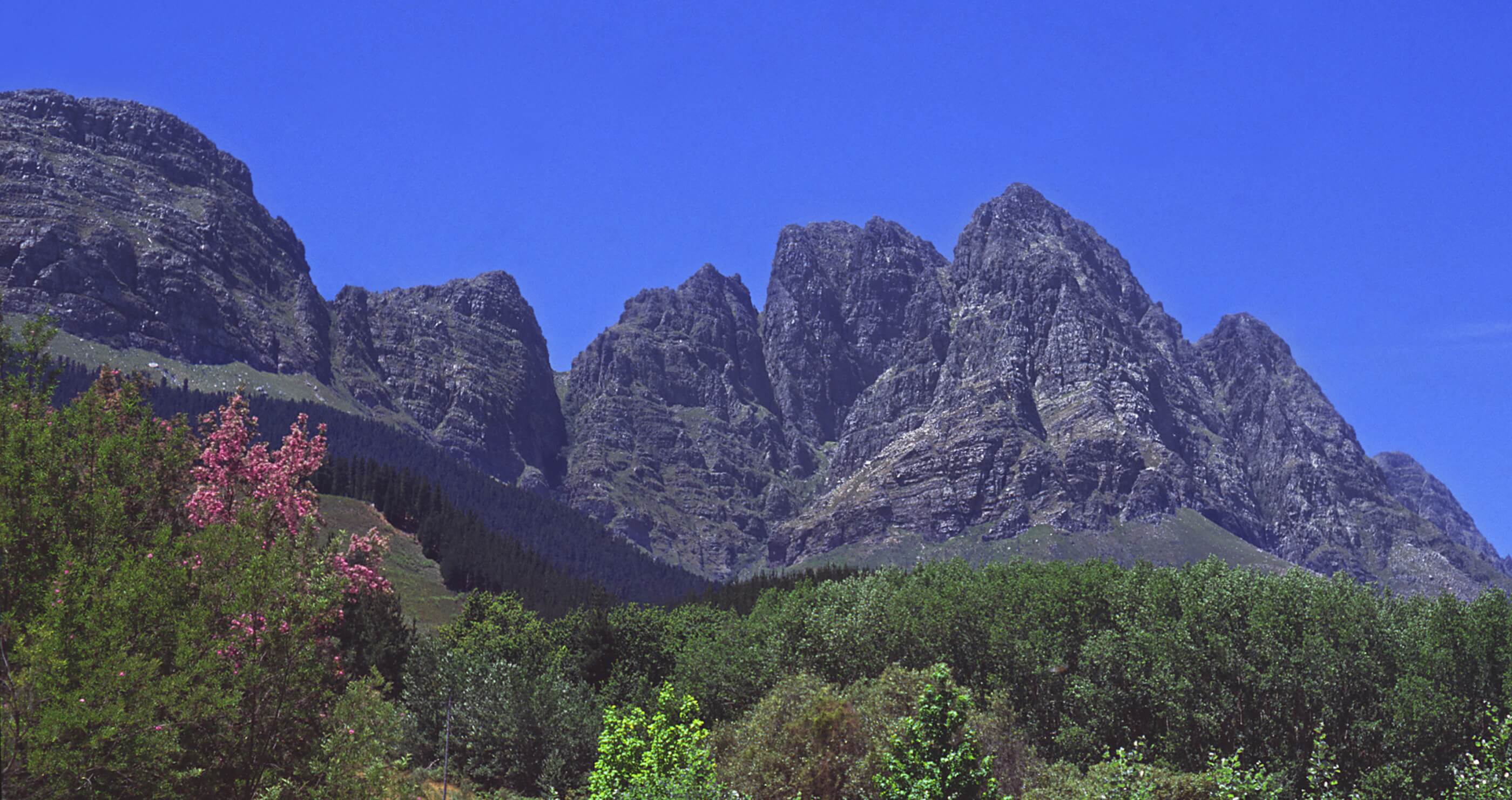
Cobham Nature Reserve is a roughly 52,000-hectare, wild-feeling section of the southern Drakensberg, about 150 kilometres from Pietermaritzburg, shaped by the Pholela River, open grassland valleys and the imposing Hodgson's Peaks around the Giants Cup. It is a superb destination for hikers who value space and scenery, but it also offers quieter pleasures—streamside pauses, birds of prey, mountain antelope and the sense that the landscape is still ruled by weather and distance.
A Reserve with Real Scale
Cobham's broad valleys and high slopes can make the map look simple, yet the reserve covers country where route choices and conditions matter. A short walk from the access area is very different from a full-day valley exploration, a section of the Giants Cup Hiking Trail or an overnight route into remote terrain. Decide what kind of day you want before leaving reception, and choose a route that still leaves time and energy to return safely.
Hiking and the Giants Cup Landscape
Cobham forms part of the landscape associated with the Giants Cup Hiking Trail, one of South Africa's best-known multi-day mountain hikes. Visitors should use the trail's own current booking and stage information for a through-hike. Within the reserve, ordinary hiking still needs mountain discipline: obtain current route advice, complete the Mountain Rescue Register, sign out after the walk and carry navigation equipment, water, rain protection and warm layers.
The Pholela River and Mountain Catchment
Streams and the Pholela River give Cobham much of its life and beauty. They also remind visitors that a high mountain catchment is sensitive. Keep washing products and litter out of the water, avoid damaging riverbanks, and never assume a crossing is safe after rain. Anglers should confirm the current fishing rules, permits and permitted waters before casting; hikers can simply enjoy the sound, the pools and the changing plants along the banks.
Wildlife and Birdlife
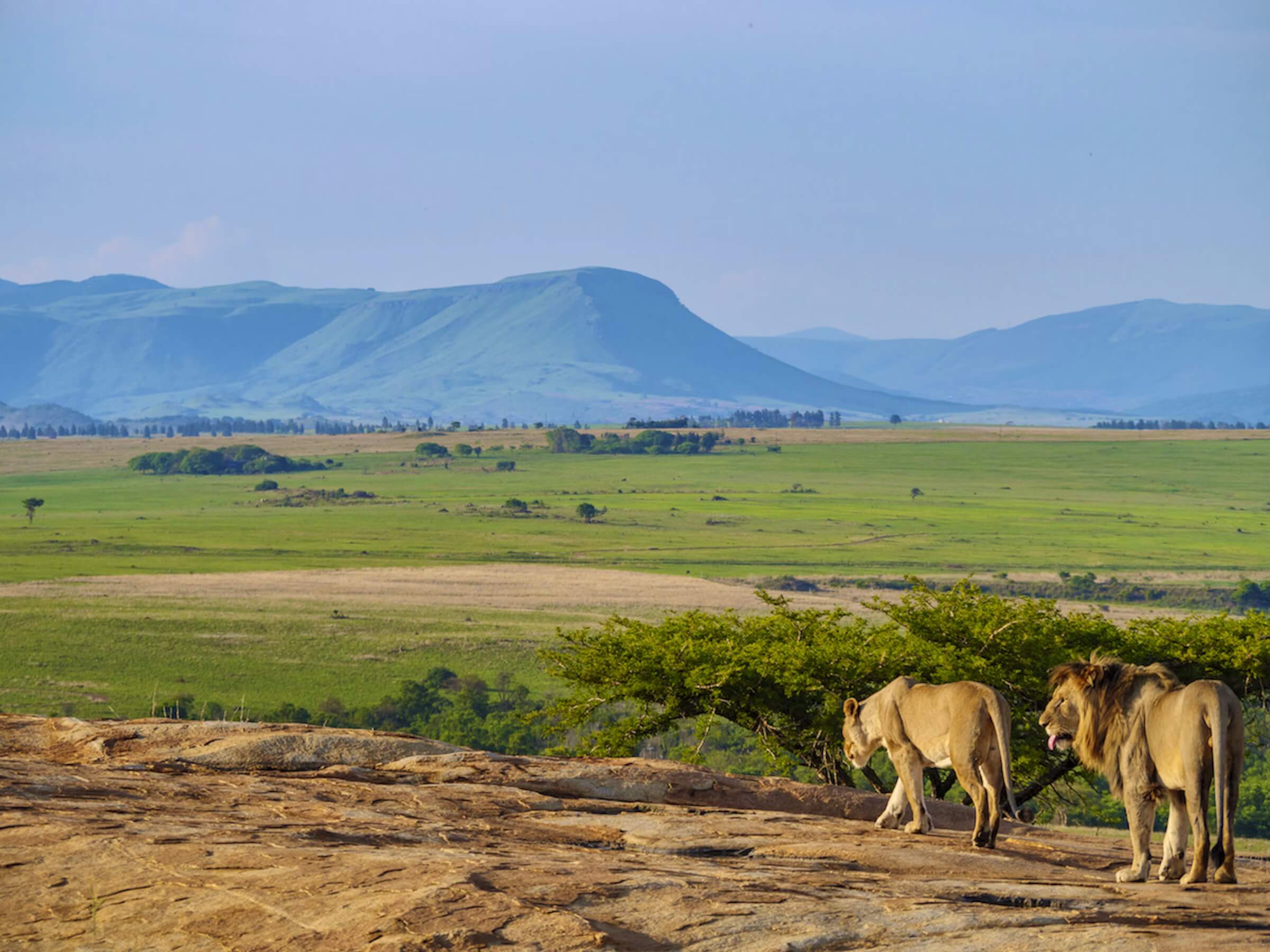
Mountain reedbuck, eland, grey rhebok, klipspringer and oribi may be seen, while eagles, buzzards and other birds use the thermals and cliffs. The most memorable sightings often happen when a group is quiet and unhurried. Carry binoculars, pause away from busy areas and remember that an animal's welfare comes before a photograph. Cobham is a landscape to watch rather than to chase through.
San Heritage in the Southern Berg
Cobham contains and neighbours important San rock-art heritage. The wider uKhahlamba-Drakensberg Park management information identifies several cultural sites in the Cobham area. Access conditions and guiding arrangements must be checked locally, as protection of the paintings comes first. Never touch or wet a painting, and do not leave initials, candles, food or litter in a shelter. A guided interpretation transforms the experience from a look at ancient images into an understanding of a living cultural record.
Camping and Wilderness Responsibility
Camping and longer hiking can make Cobham feel wonderfully remote, but that freedom is matched by responsibility. Confirm camping and cave arrangements before travelling, use authorised sites, pack out every scrap of waste and make conservative decisions about forecast, stream levels and group ability. Overnight hikers should be capable of navigating in poor visibility and of keeping warm if a plan changes.
Know Before You Go
Use the Ezemvelo KZN Wildlife Cobham information as a starting point, then confirm current access, hiking permits, fishing, heritage visits, camping and trail conditions directly. Cobham gives visitors a genuine southern Drakensberg experience precisely because it has not been simplified; careful preparation is the key to enjoying it well.


