



























Garden Castle Nature Reserve
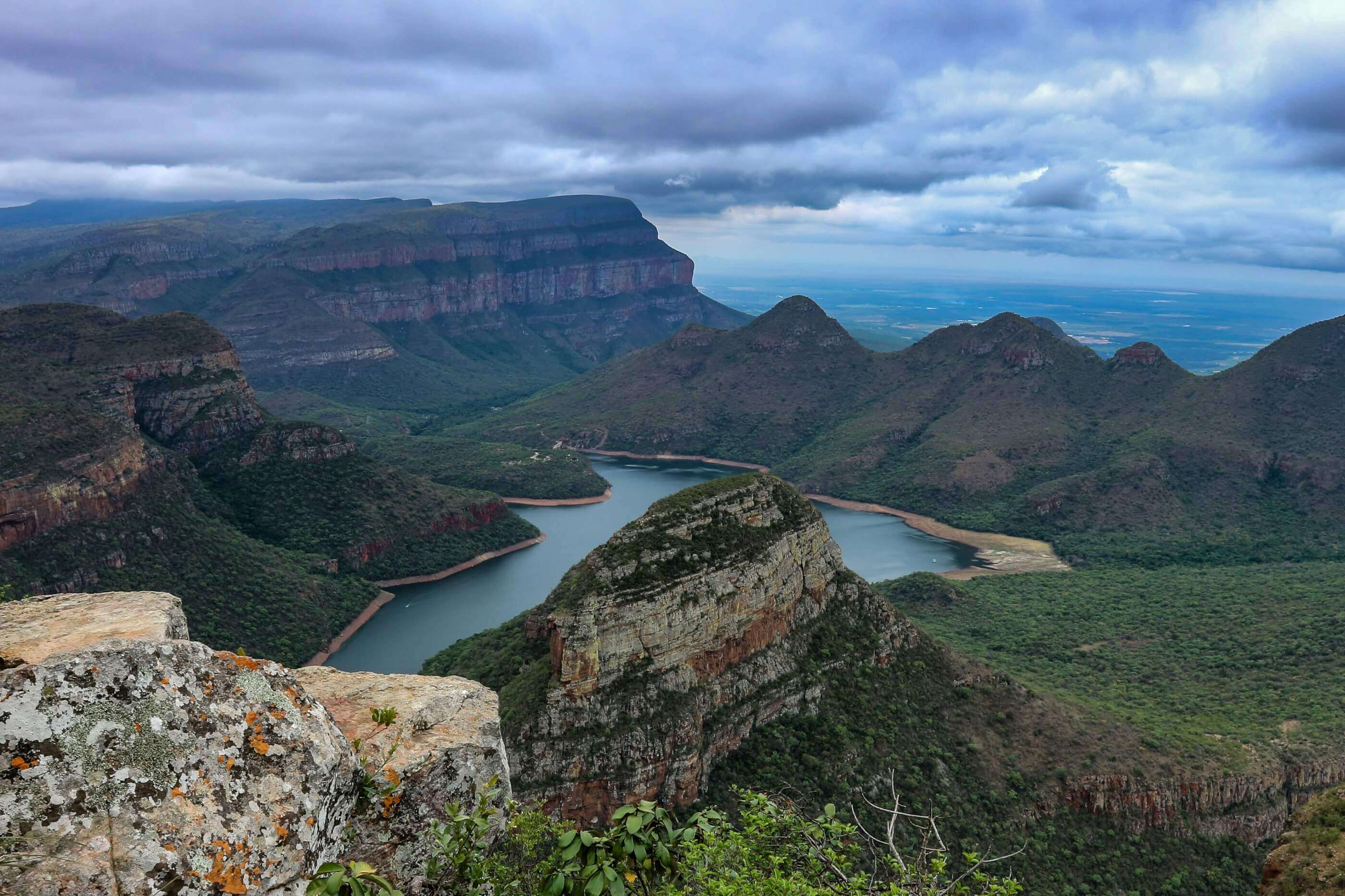
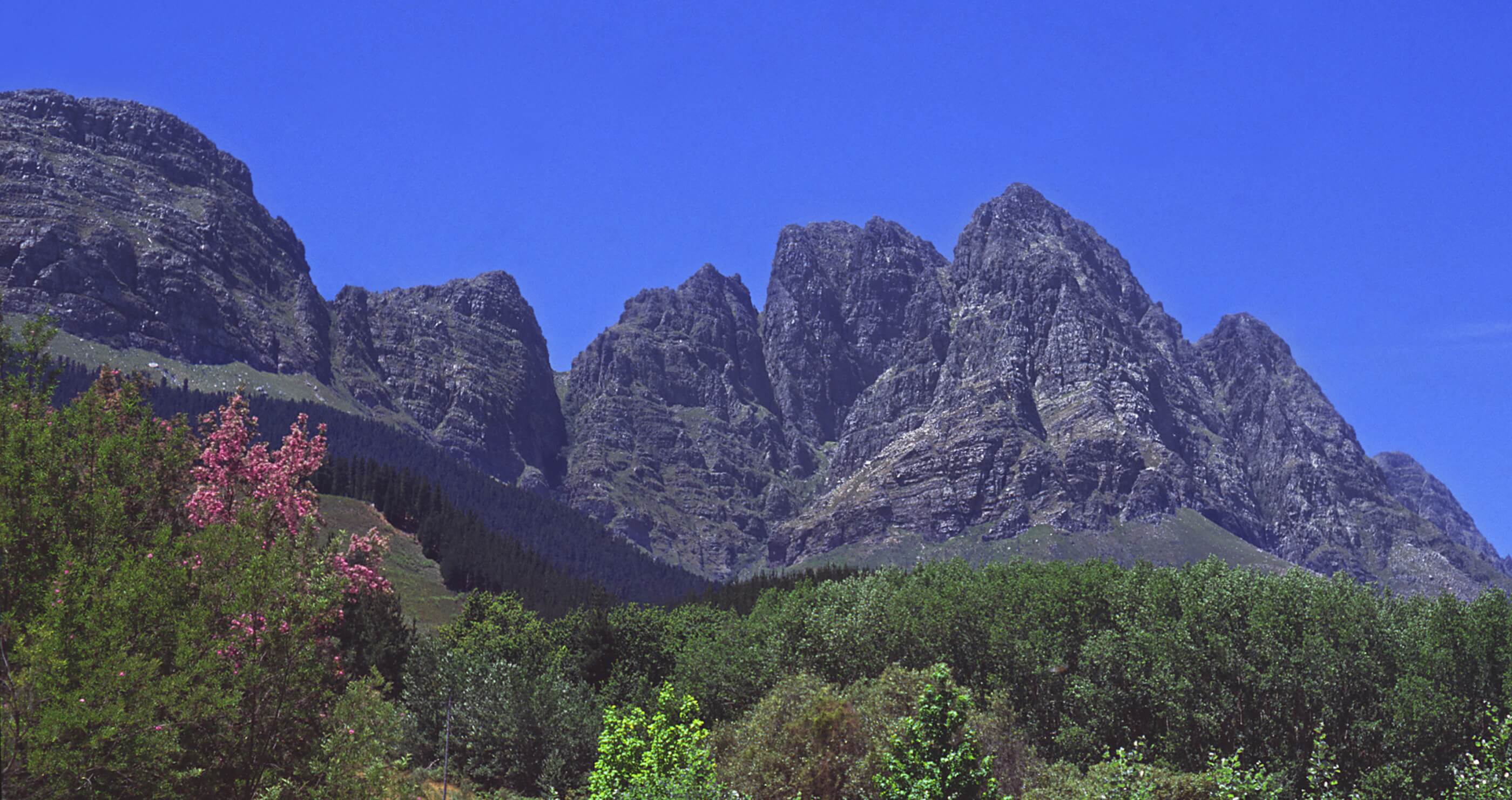
Garden Castle Nature Reserve is a roughly 35,300-hectare section of the southern Drakensberg where grassland valleys rise towards sandstone formations and the higher escarpment. Rhino Peak, extending for about two kilometres from the main escarpment, is the landmark many visitors recognise, but the reserve's deeper character lies in its scale: quiet rivers, long views, remote passes, San heritage and routes that range from a thoughtful day walk to serious multi-day mountain travel.
A Southern Drakensberg Base
Garden Castle is a practical gateway to a less hurried part of the uKhahlamba-Drakensberg World Heritage Site. It works well for people who wish to spend time in the foothills, but it also gives access to country that becomes progressively more remote beyond the developed area. Do not treat every line on a map as a casual trail. Valley paths, formal day walks, escarpment routes and overnight journeys need very different levels of skill, gear and commitment.
Day Walks and the High Berg
Choose a day route according to the least experienced person in the group, the forecast and the time of year. A short walk is an opportunity to enjoy the streams, birds and sandstone scenery without rushing; a longer route should start early with clear navigation and a firm turnaround time. High routes and passes are for properly prepared hikers who can operate independently in poor visibility and cold conditions. Register the party's plan and sign out again after the hike.
The Giant's Cup Hiking Trail
Garden Castle is closely associated with the celebrated Giants Cup Hiking Trail, a multi-day route in the southern Berg. That does not make the full trail a spur-of-the-moment walk: it has its own stages, accommodation or hut arrangements, permits and logistical considerations. Treat it as a separate trip, verify current booking and route information, and use this reserve guide to understand the landscape around it rather than as a substitute for the trail's official planning material.
Sandstone, Grassland and Mountain Wildlife
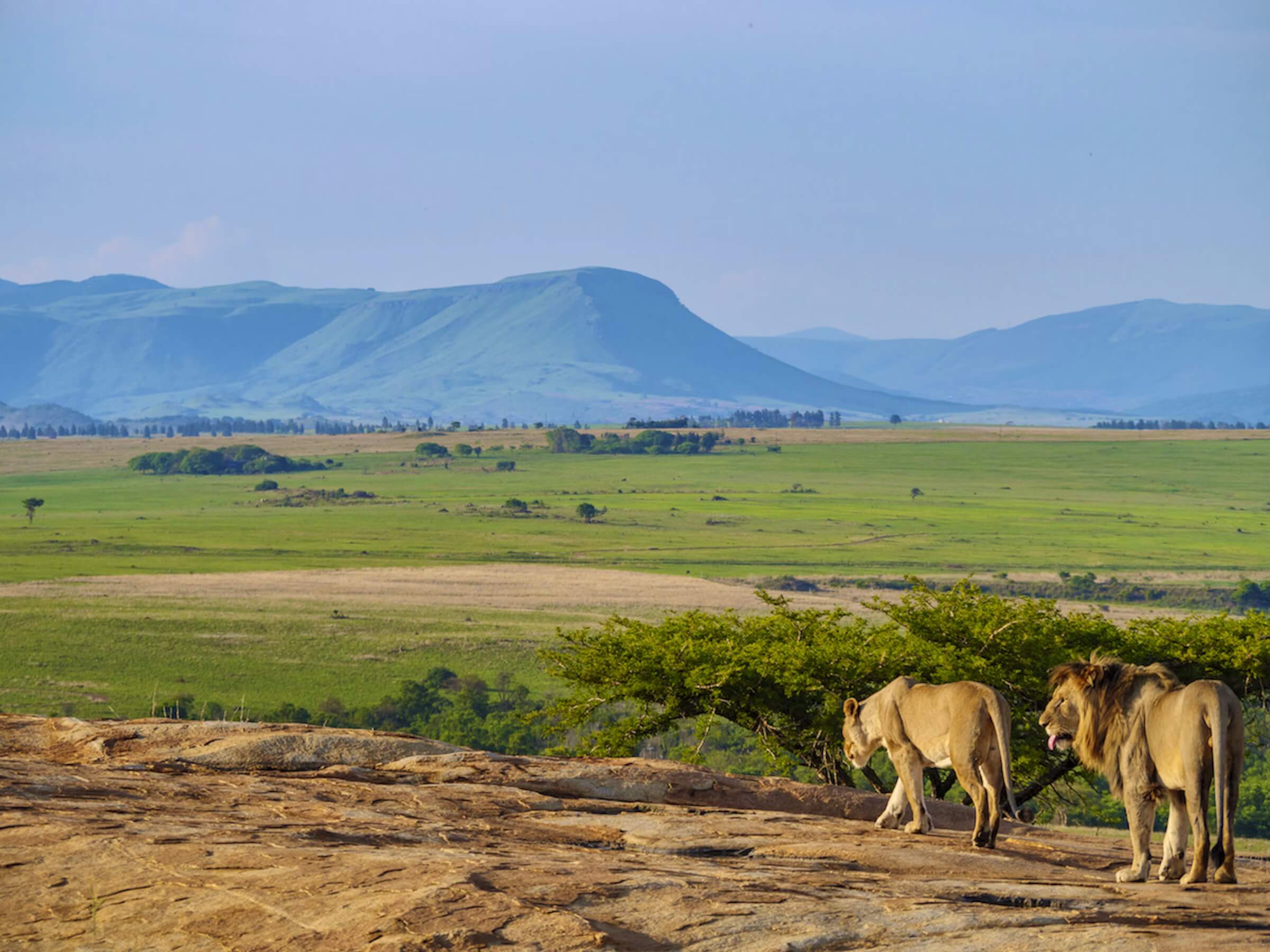
The reserve offers classic Drakensberg contrasts—soft grass slopes against hard cliffs, open ridges above sheltered valleys and changing light on the sandstone. Eland, reedbuck, baboons and birds of prey may be seen, but the quieter details are just as valuable: flowers after rain, river sounds and the weather moving across the ridgeline. Bring binoculars, walk quietly and allow time to absorb a landscape rather than racing between viewpoints.
Rock Art and Cultural Respect
San rock-art shelters form part of the Garden Castle cultural landscape. Some sites are accessed only under particular arrangements or with a guide, which protects both visitors and fragile paintings. Confirm current access with the reserve or an accredited local guide, and do not touch paintings, climb on shelter walls or leave marks. These places preserve knowledge and experience from generations long before modern hiking trails existed.
Camping and Backcountry Care
Camping is an attractive way to experience the southern Berg, but it should be planned as a low-impact wilderness stay. Book before travelling where required, use designated facilities or approved overnight sites, secure food, keep fires within the rules and carry all waste out. The weather can change in hours, and a safe campsite in sunshine may be a poor choice in wind, lightning or heavy rain.
Use Current Local Advice
The uKhahlamba Drakensberg Park management information explains the wider protected landscape and cultural sites. Before visiting, confirm Garden Castle's current permits, trail status, overnight arrangements, rock-art access and weather with the reserve. The best Garden Castle visit is one that leaves enough time for the scenery and enough margin for the mountain to have the final word.


