



























Highmoor Nature Reserve
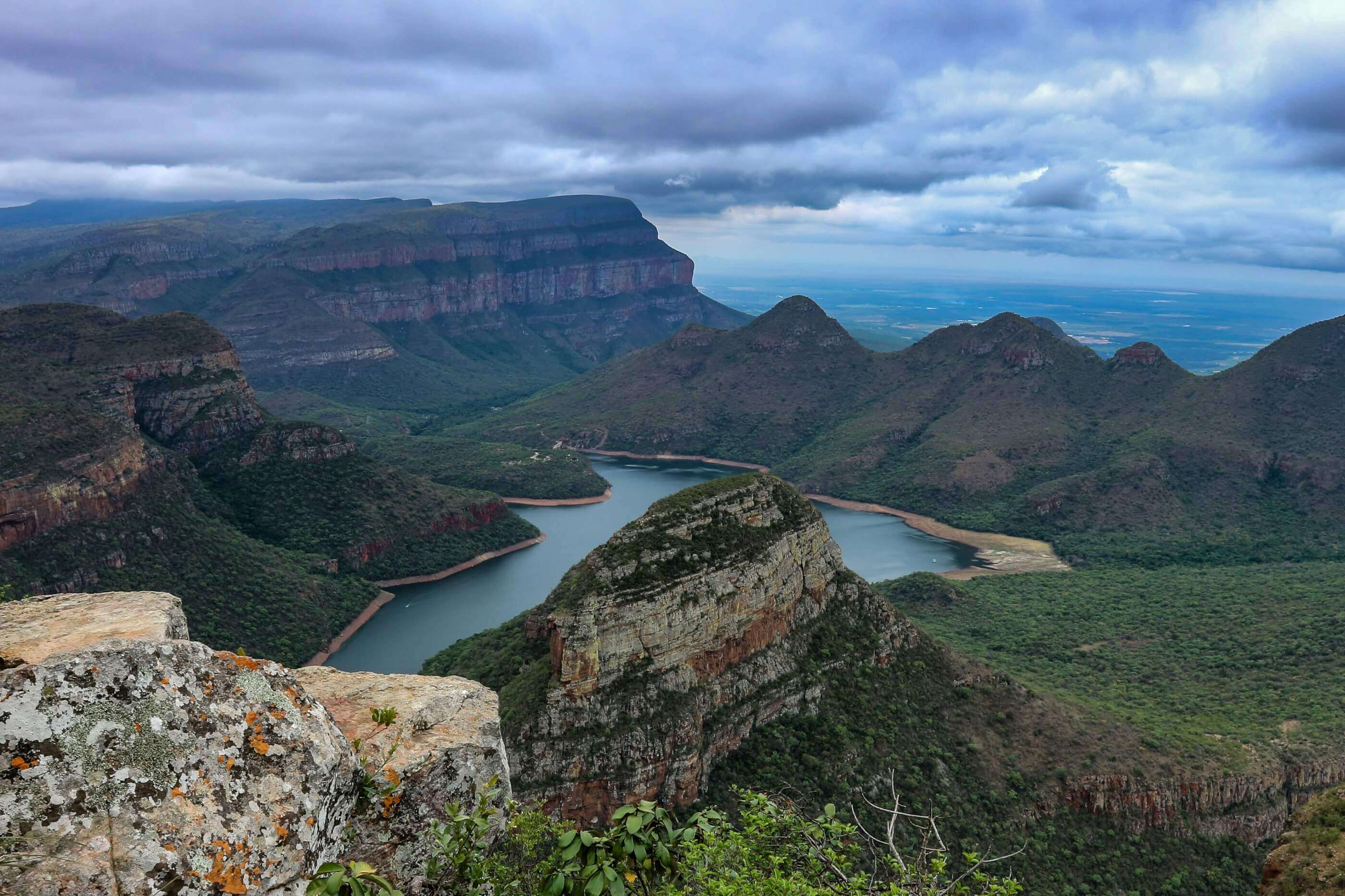
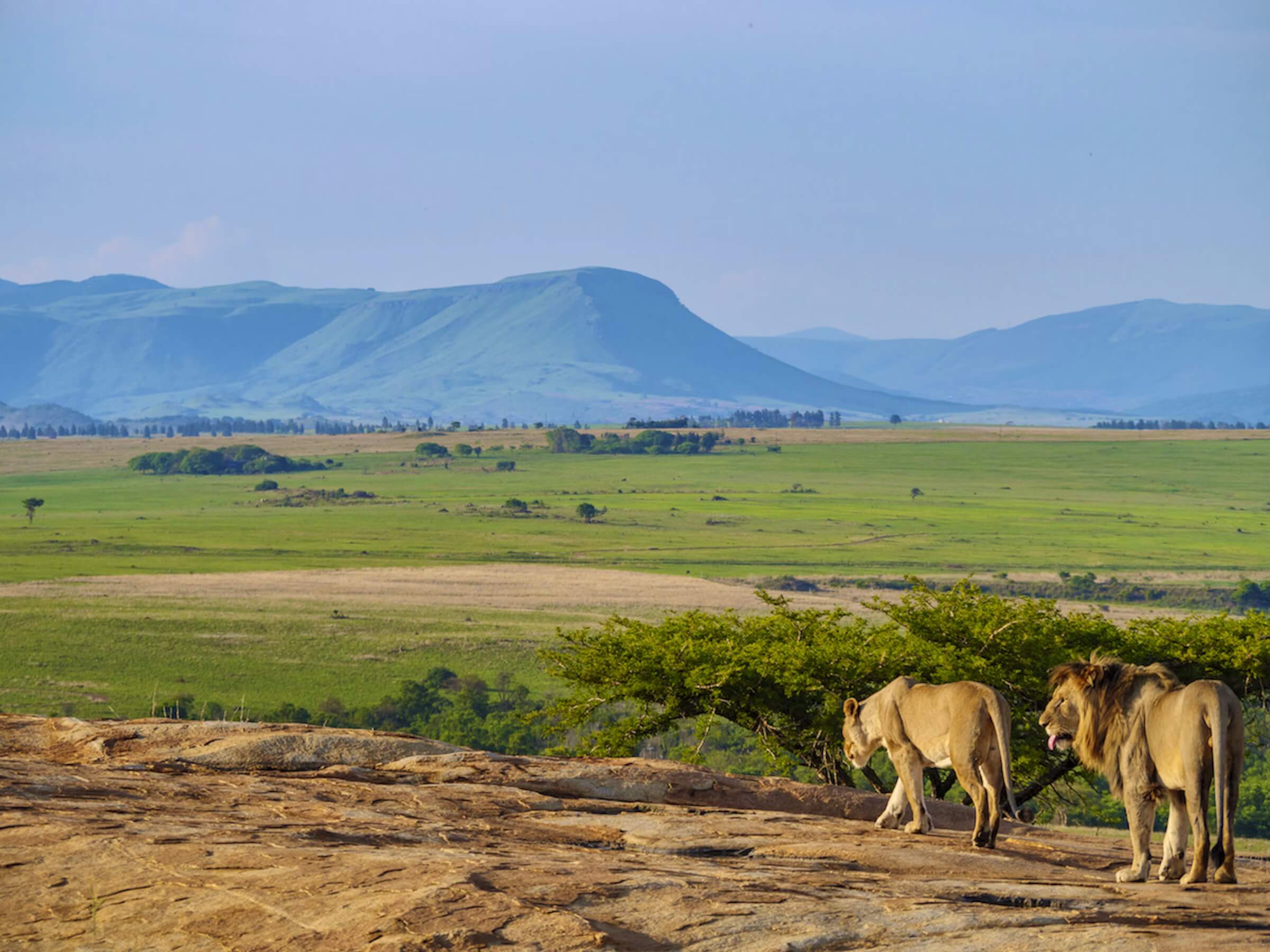
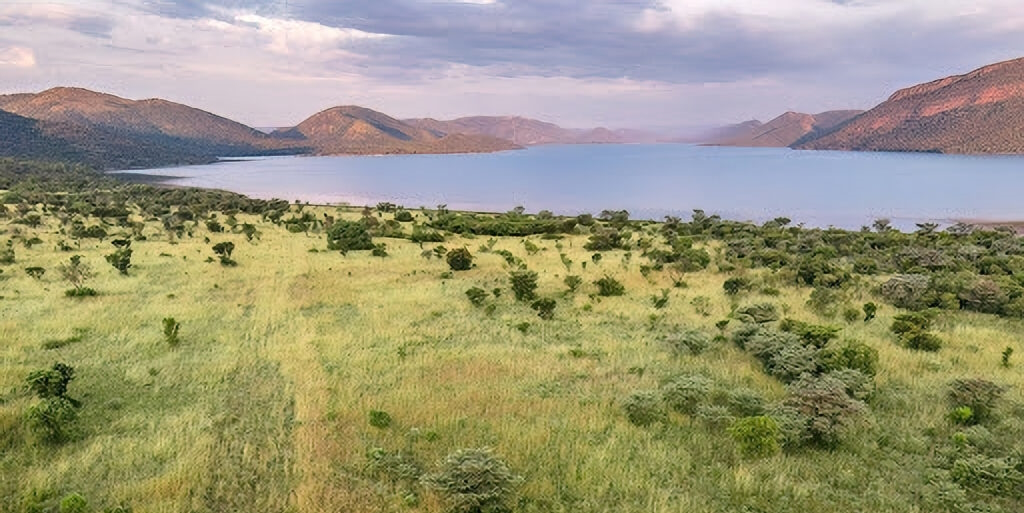
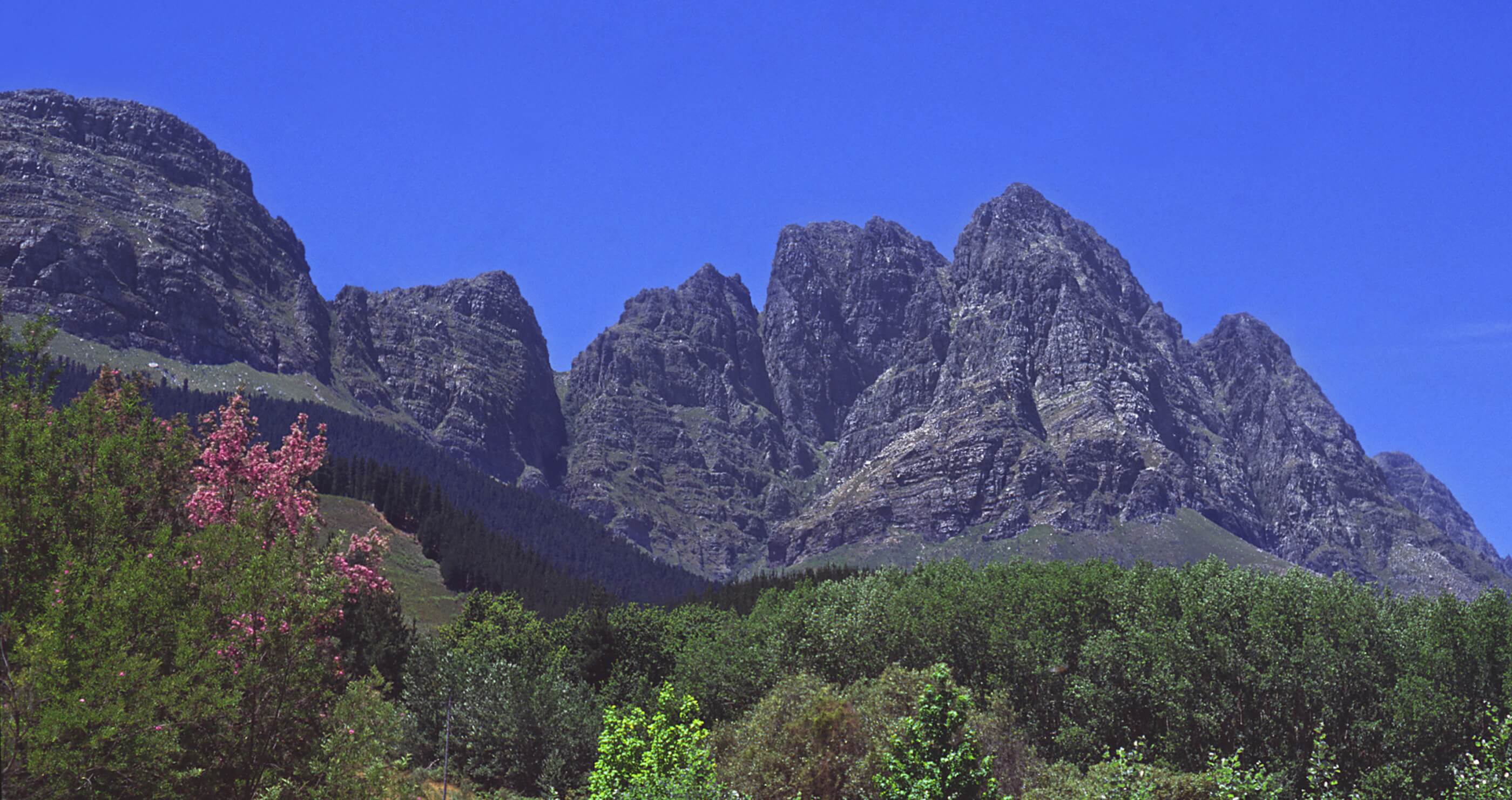
Highmoor Nature Reserve is a roughly 14,749-hectare high-altitude Drakensberg grassland reserve between the better-known Giant's Castle, Kamberg and Lotheni areas. Its wide slopes, clear streams and open skies create a strong sense of space, but the reserve is much more than a scenic stop: these upland grasslands and wetlands are part of an important mountain catchment and a refuge for specialised plants, birds and antelope within the uKhahlamba-Drakensberg World Heritage Site.
Open Grassland, Wetlands and Mountain Water
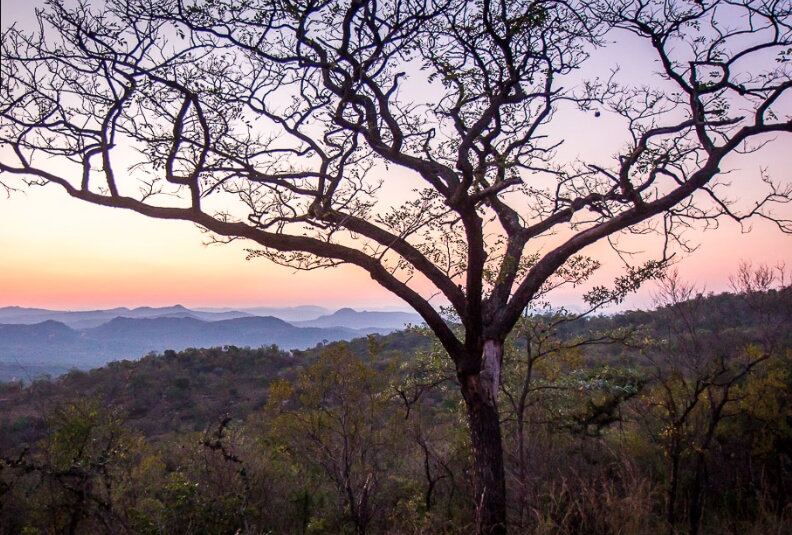
Highmoor is valued for the way its grassland, streams and damp hollows work together. The water that gathers in the high Berg feeds downstream systems, so a visitor's small decisions matter: stay on established paths where they exist, keep soaps and pollutants out of water, and leave stream banks and wet ground undisturbed. The landscape is especially beautiful in the growing season, when the grasslands are green and flowers appear, but it remains compelling in winter's pale gold light.
Walking and Hiking at the Right Scale
The reserve offers an opportunity to enjoy shorter nature walks as well as longer mountain hiking. The gentler option is not a poor substitute for the big route; it is often the right way to notice wetland birds, flowers, small mammals and changing weather. Longer routes move into more exposed country and need sound navigation, adequate fitness and a clear understanding of the day's conditions. Ask for current advice and record your plans in the Mountain Rescue Register before leaving the developed area.
Camping and Cave Overnights
Highmoor is known for its secluded campsites and for hiking overnights in caves. These are low-key, memorable ways to experience the mountains, but they require bookings, permits and a genuine self-sufficiency mindset. Do not assume a cave is available, safe to reach in the day's weather, or suitable for your group. Bring proper sleeping, cooking and safety equipment, take all waste out, and plan conservatively around short winter days or summer storms.
Birds, Antelope and Quiet Observation
High grassland rewards patient visitors. Eland, reedbuck, grey rhebok and other antelope can be elusive, while soaring raptors and grassland birds are often more easily appreciated with binoculars. Sightings depend on season, time of day and luck, so the best approach is to walk slowly and keep voices low. This is a reserve for observation rather than chasing a checklist.
Trout Dams and Low-Key Recreation
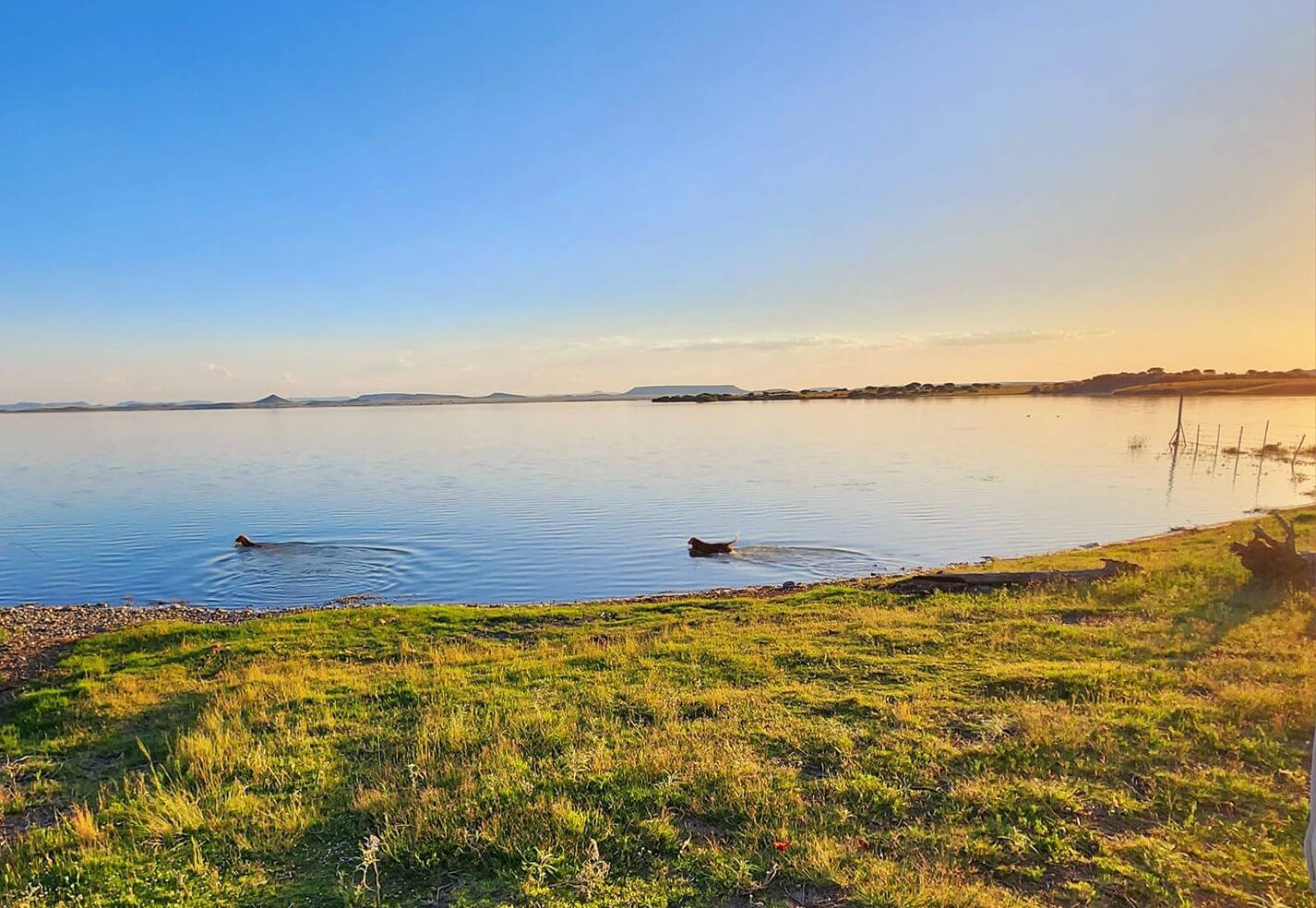
Highmoor's dams have also made it a place associated with fly-fishing. Regulations, permitted waters, rod fees and seasonal arrangements must be confirmed before bringing tackle, since responsible use protects both the visitor experience and the catchment. For non-anglers, the water adds another quiet focus for birdwatching, photography and a rest between walks.
San Heritage in Context
Rock-art sites and shelters form part of the wider cultural landscape of the Drakensberg. They should be approached through current reserve guidance and, where appropriate, an accredited guide. The paintings are fragile and the stories behind them are richer than a quick photograph suggests. Do not touch the art, apply no substances to rock surfaces and respect any access limitation put in place to protect a site.
Weather Is the Deciding Factor
Highmoor's elevation makes weather a central part of every plan. Summer can bring sudden mist and thunderstorms; winter can bring strong wind, frost and snow. A warm day at the start is not assurance of a warm day above. Carry waterproofs and insulation, leave sufficient time to return, and turn around early if visibility, footing or confidence deteriorates. It is better to save a route for another day than to make a rescue necessary.
Plan Before Setting Out
For the current accommodation, access and planning information, start with Ezemvelo KZN Wildlife's mountain stay and reserve information, then confirm Highmoor-specific permits, campsites, cave bookings, fees and trail conditions directly. Highmoor is at its best for visitors who want the Drakensberg to feel spacious, quiet and genuinely wild.


